Mechanically attached
Fasteners and plates secure the assembly to a suitable base. The pattern and edge treatment must follow the designed system rather than a generic spacing assumption.
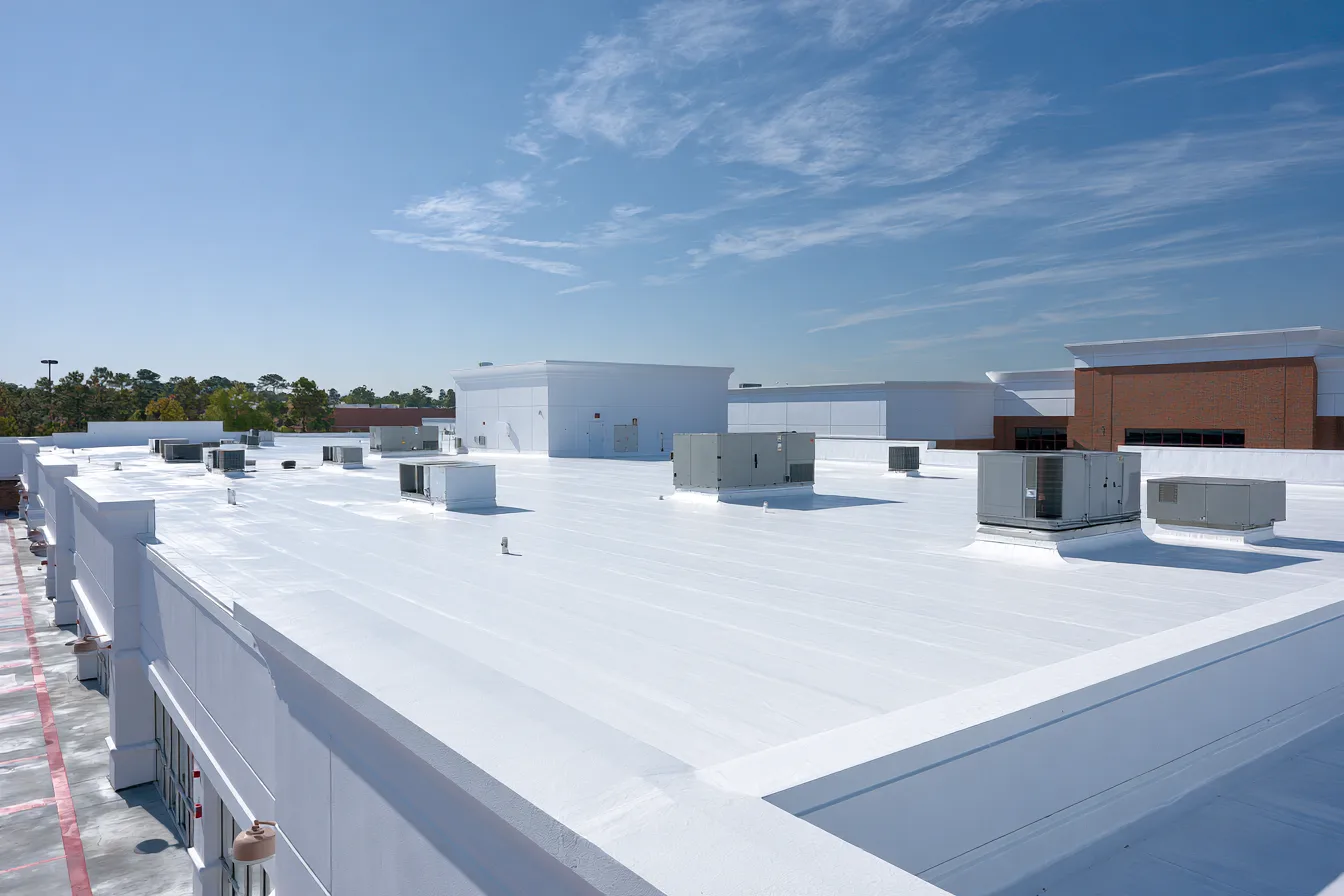
TPO is a single-ply membrane with heat-welded seams. Plan the membrane, insulation and roof details together so the project fits the building.
A broad white roof can look simple. Its performance depends on what happens at seams, terminations, drains and rooftop equipment, where a continuous surface is interrupted.
TPO work can involve a repair to an existing membrane or a new assembly. For replacement or recover, the deck, moisture condition, existing layers and attachment requirements determine what can stay and what needs to come out. A new sheet over a wet roof leaves the underlying problem in place.
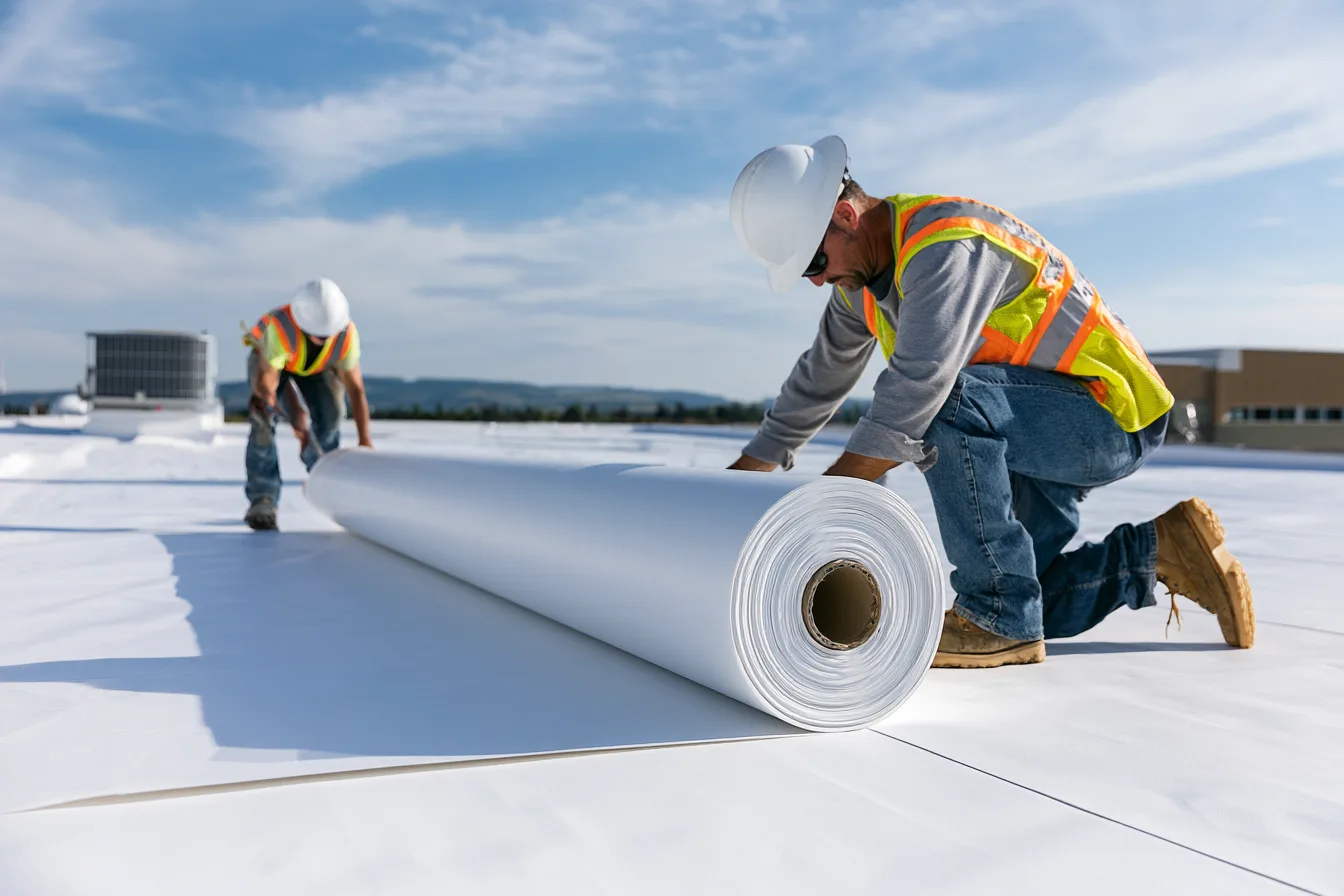
These are assembly choices, not interchangeable price options. The deck, wind design and selected manufacturer requirements govern the suitable approach.
Fasteners and plates secure the assembly to a suitable base. The pattern and edge treatment must follow the designed system rather than a generic spacing assumption.
Adhesives bond selected layers. Substrate preparation, approved materials and installation conditions matter to that bond; roof access and building air intakes also matter during planning.
Insulation affects thermal performance and can help create drainage slopes. A cover board adds a protective layer where specified. Thickness and layout should follow the building and roof design.
TPO seams are joined with controlled heat. Surface contamination and weathering affect preparation, and the new material has to be compatible with the existing system. The finished weld needs to be checked as part of the work.
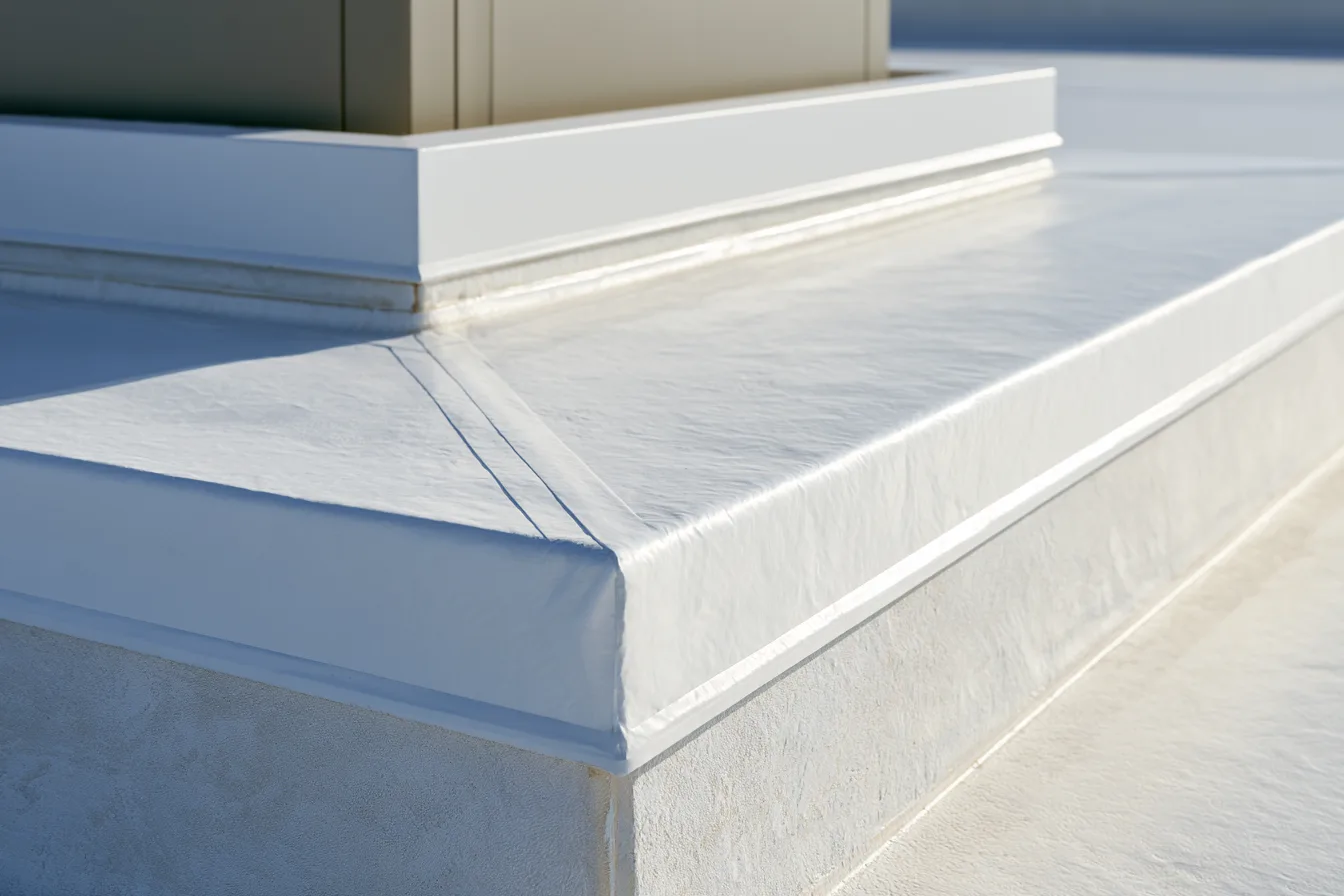
At a curb or pipe, the membrane changes direction and needs formed details that maintain the water barrier. More equipment means more of those details. Replacing open roof area without addressing failed perimeter and penetration work is an incomplete scope.
Service traffic can damage a membrane that is otherwise working. Equipment maintenance should use planned access routes and protect the roof around work areas. Walkway pads help define those routes; they do not turn the entire roof into a work platform.
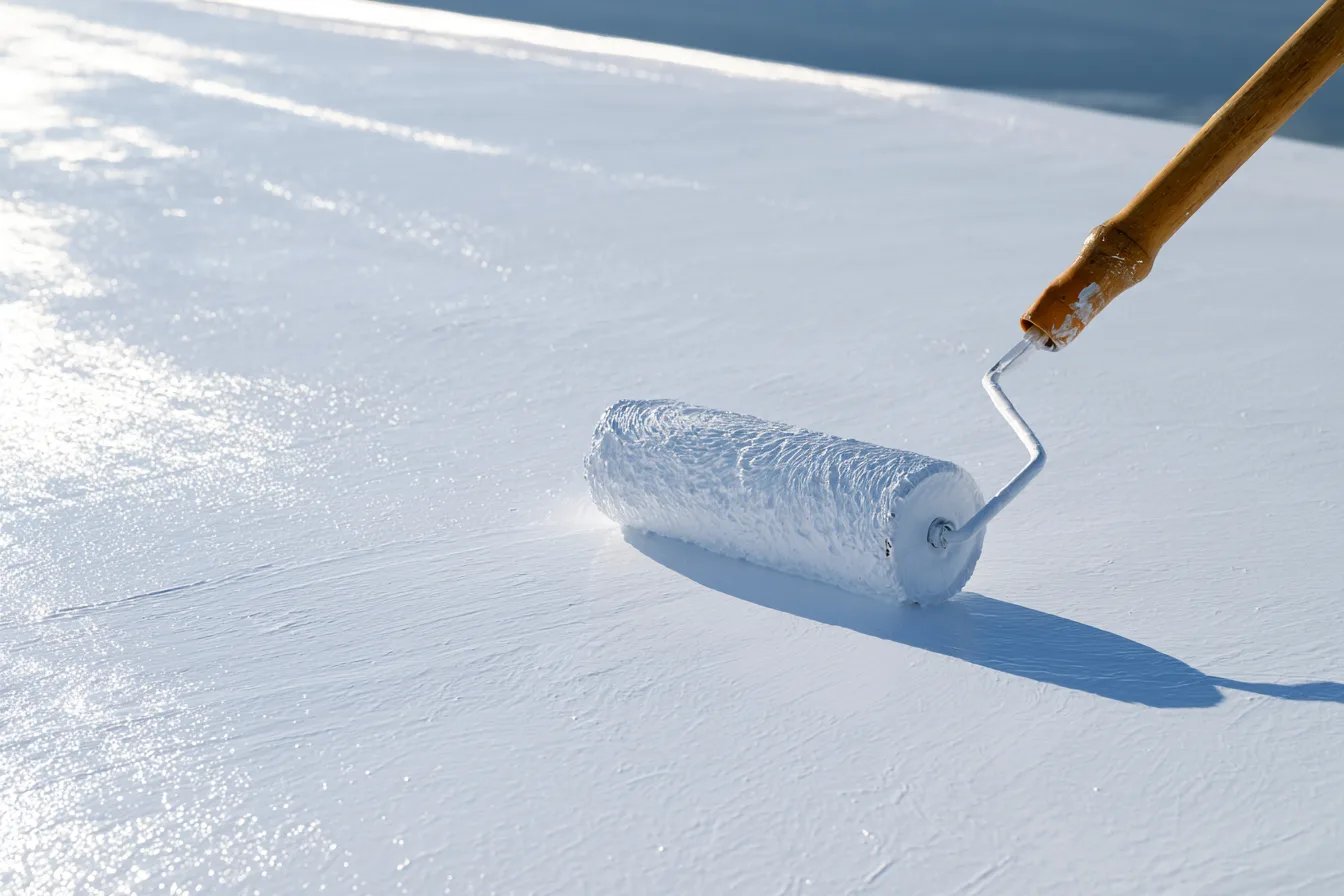
A new leak after equipment work belongs in a flat-roof repair assessment so the opening and any affected material can be traced. General-purpose roofing cement is not a universal TPO repair.
Share the building location and whether the question is repair, renewal or a new system. The condition of the assembly will guide the useful choices.