Starter and ridge pieces
The first course, hips and ridge need components and fastening suited to the system. A finished-looking ridge does not explain what is holding it in place.
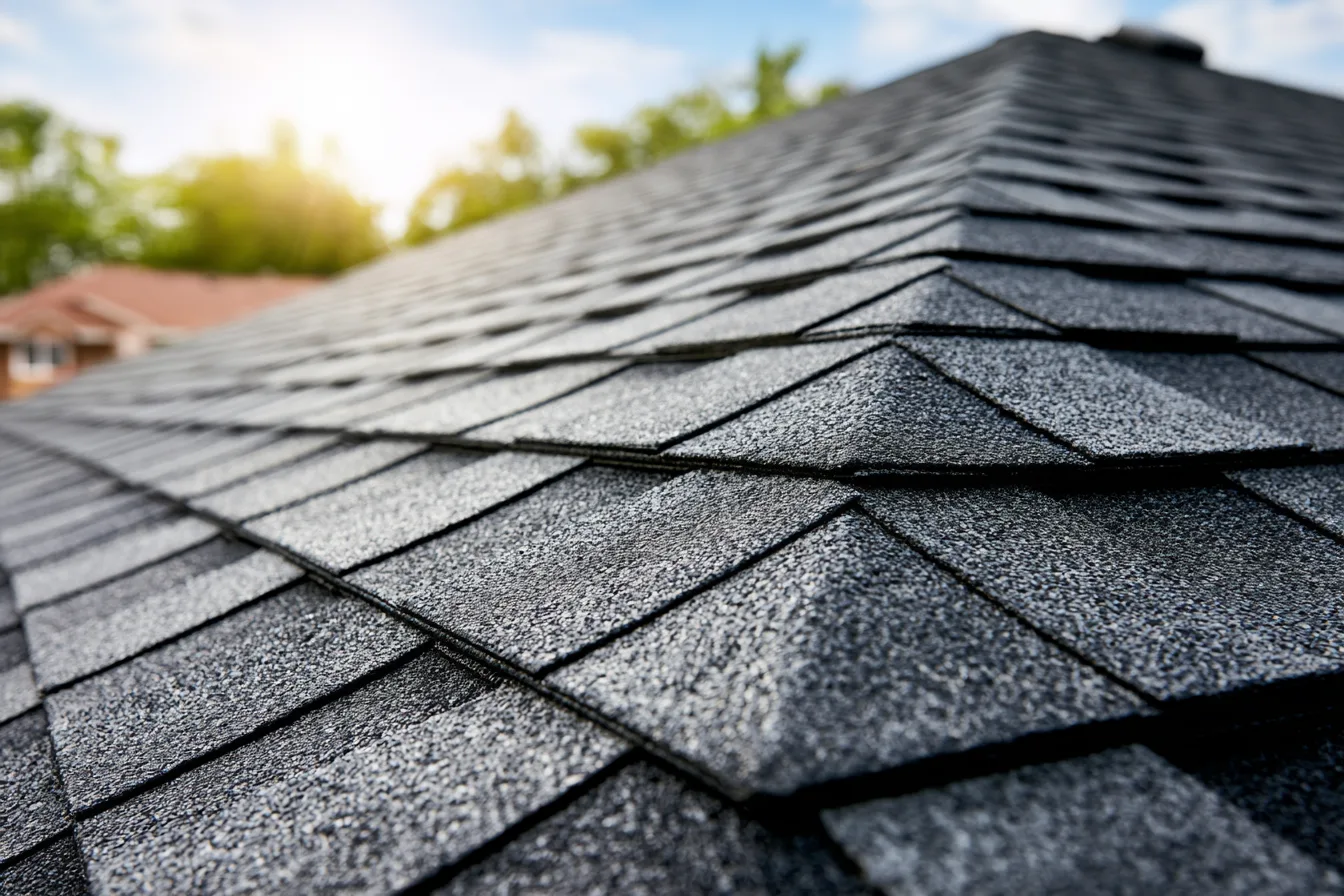
The shingle profile affects the appearance, but the whole roof system protects the home. Compare the useful differences, then choose around the roof you actually have.
Asphalt shingles come in different shapes and constructions. A three-tab roof has a more uniform pattern; laminated architectural shingles create a layered appearance; designer products emphasize a particular profile. Those choices do not remove the need for sound decking, correct flashing and ventilation.
Start with the roof's slope and condition, then the appearance and product features you value. A replacement is a good time to make that choice. A repair also has to account for compatibility and how the new material will look beside weathered shingles.
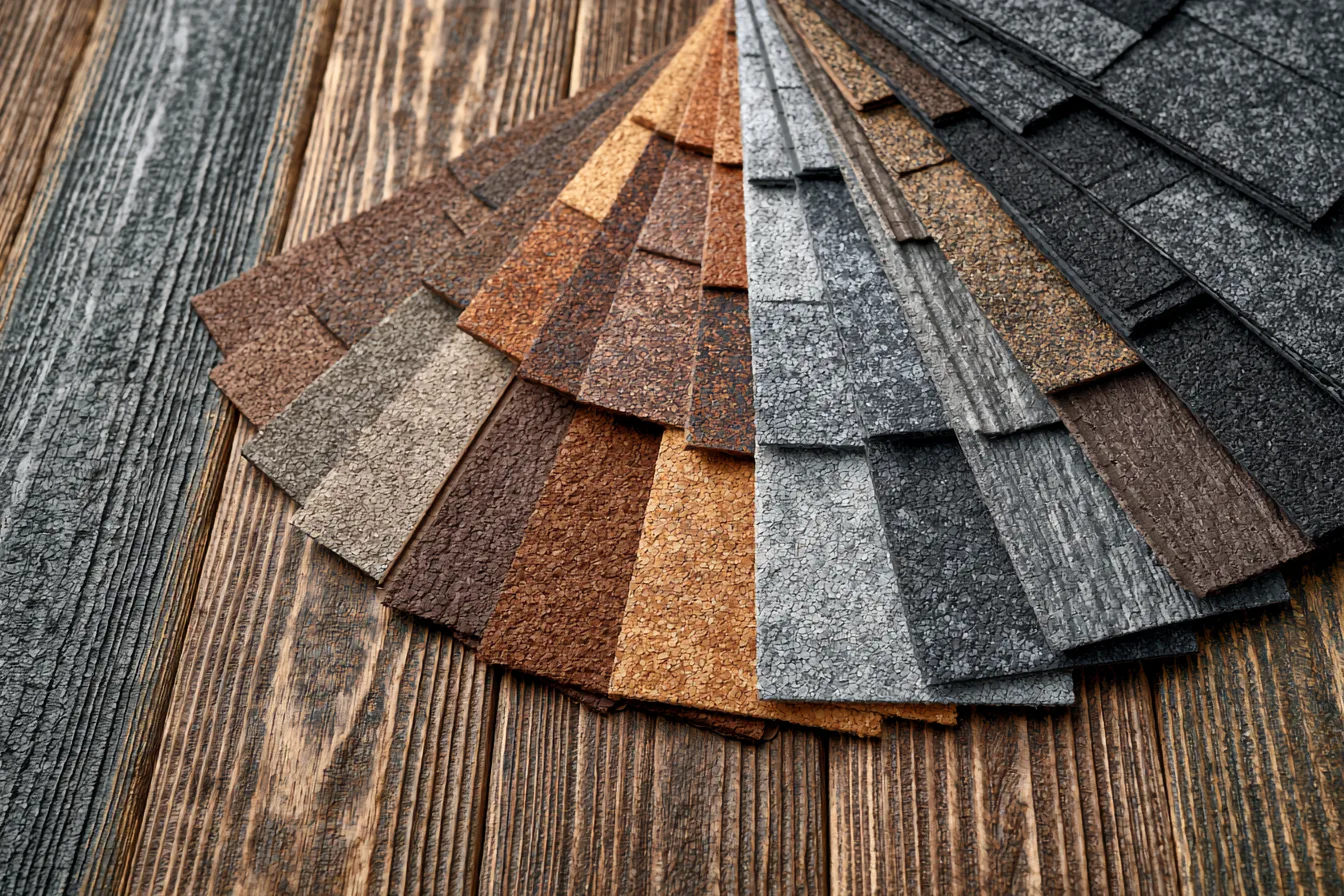
Style names do not establish an impact rating or warranty term. Compare the actual selected product.
An impact rating describes performance in a specified test. It does not make a shingle hail-proof, guarantee that it will avoid cosmetic marks or promise an insurance discount. Wind ratings also depend on the product and its required installation details.
If impact performance matters to your choice, the exact product rating belongs beside the material name in the project discussion. The insurer decides whether that product changes the policy premium.
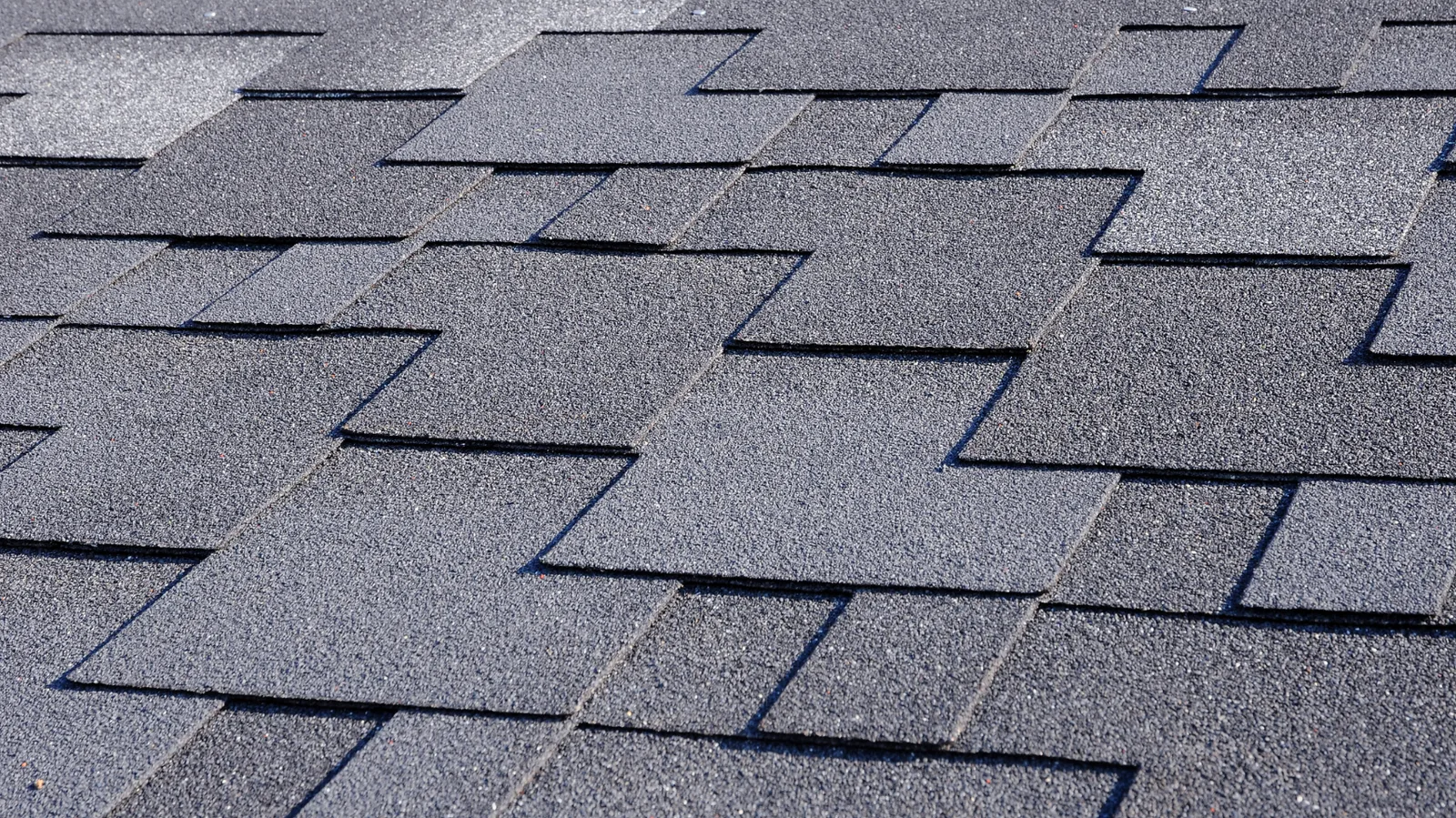
The shingle is the visible water-shedding surface. These connected details deserve the same attention.
The first course, hips and ridge need components and fastening suited to the system. A finished-looking ridge does not explain what is holding it in place.
The secondary water layer and metal transitions manage places where the covering is interrupted. Reusing a failed detail under a new shingle keeps the old leak route available.
Air intake and exhaust need a coordinated approach. Valleys, dormers and low-slope transitions add details that a simple shingle price cannot describe.
No. Architectural describes a laminated construction and appearance. Impact resistance is a separate tested property of the specific product.
No. Material-defect coverage and workmanship coverage address different problems, with exclusions and eligibility terms. The warranty guide explains how to separate them.
Yes, color is a normal material choice. Where association or property requirements apply, the chosen color and product need to fit those requirements before installation.
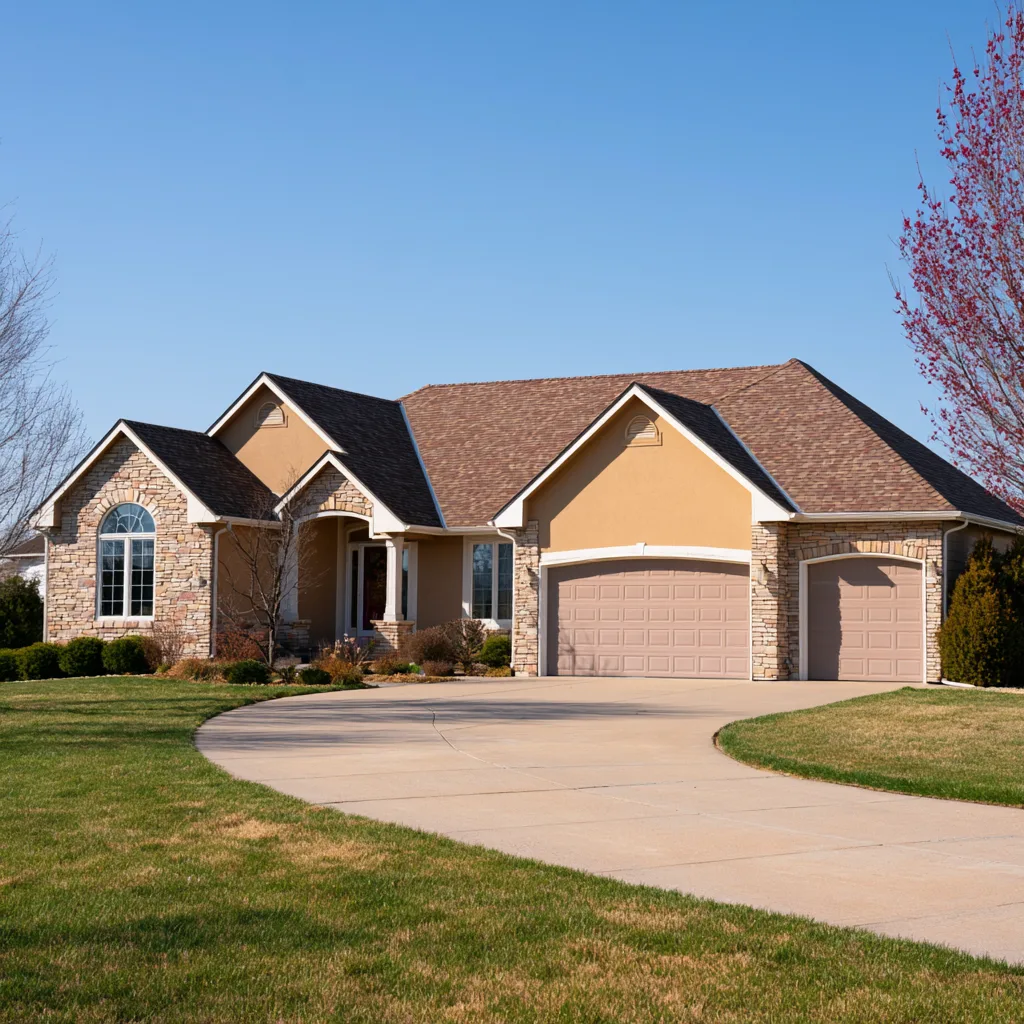
Tell us whether you are planning a new roof or trying to match a repair. A free inspection puts the material conversation in the context of the house.