Local repairs
A sound gutter can have a leaking joint, displaced hanger or damaged downspout. Repairing that part can preserve the working run, provided the remaining material and support are serviceable.
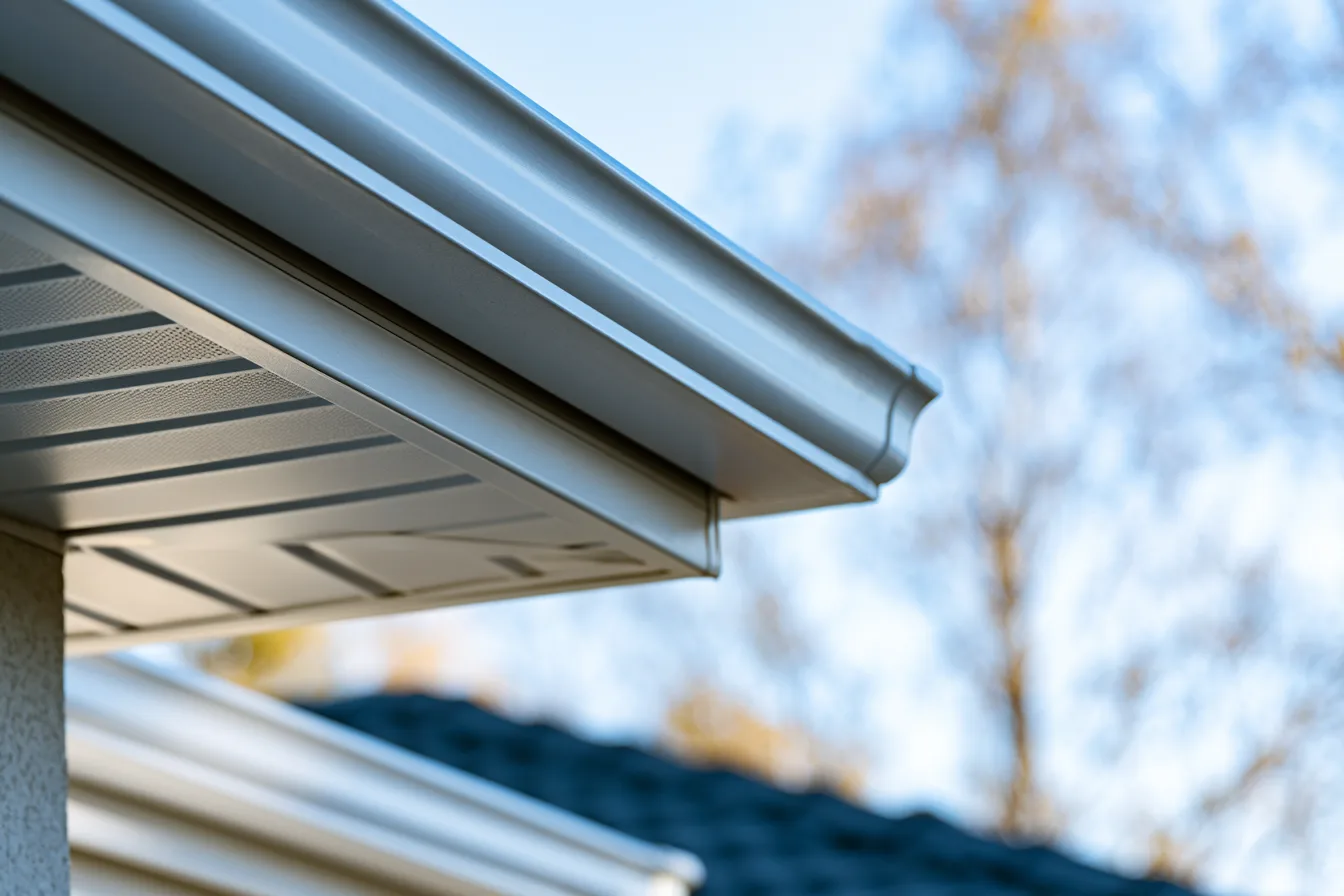
Water spilling over an edge can damage more than the gutter. Find out whether the problem is a failed part, blocked drainage or a run that needs to be replaced.
A gutter collects water after the roof sheds it. The pitch of the run, the size and position of outlets, and the route of the downspouts decide where that water goes next. A sound roof can still leave an overflowing gutter below it.
A localized leak at a joint can be repairable. A pulled-away run, a damaged edge or repeated overflow may need a wider look at support and capacity. The roof edge and fascia need to be sound enough to support the finished work.
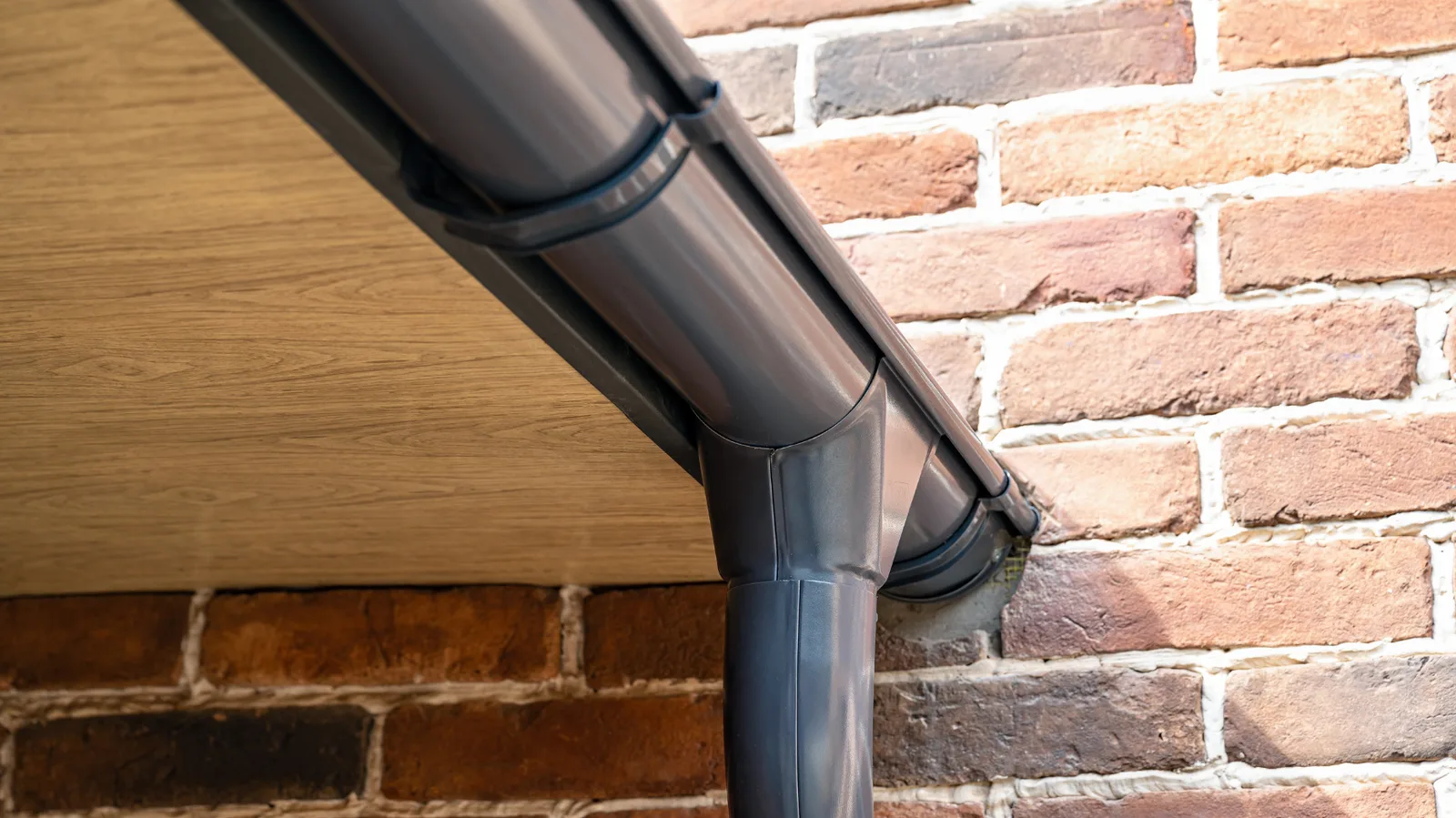
The pattern helps establish the question, but the gutter and roof edge still need assessment.
A sound gutter can have a leaking joint, displaced hanger or damaged downspout. Repairing that part can preserve the working run, provided the remaining material and support are serviceable.
A distorted, corroded or repeatedly failing run may need replacement. The project should account for roof runoff, outlet placement, support and where the downspout discharges.
A guard reduces some debris entry but does not remove all upkeep. The selected design must suit the debris and allow the gutter to be maintained without damaging the roof edge.
Roof replacement exposes the relationship between the drip edge, fascia and gutter. Water should land where it can drain, not run behind the gutter and soak the wood.
When roof replacement is already planned, the condition of this edge belongs in the conversation. Gutter work and hidden fascia damage remain distinct scope items rather than assumed extras.
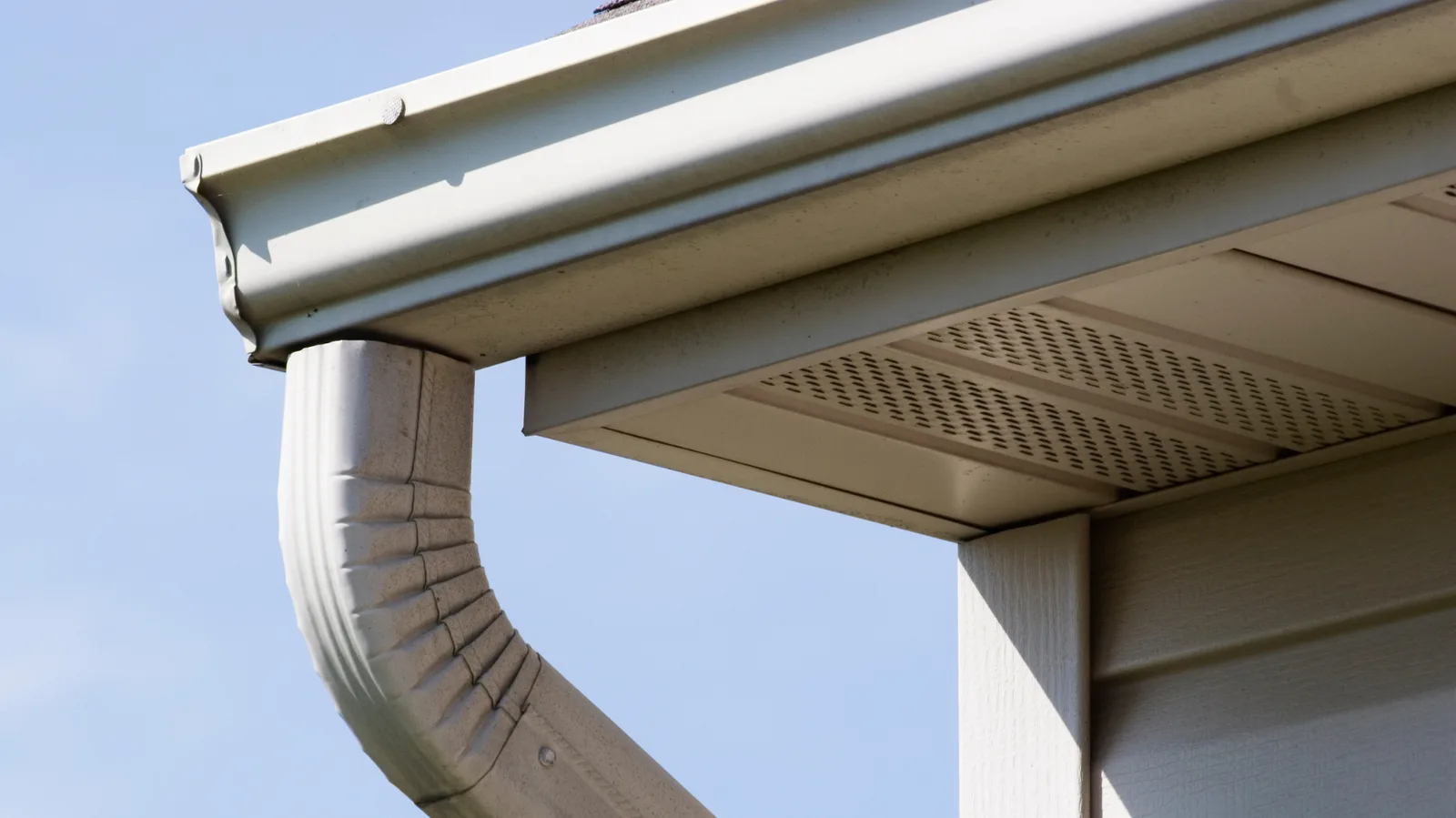
Yes. Overflow or water behind an edge can wet fascia, soffit and adjacent building materials. The water route has to be traced before deciding whether the covering, flashing or gutter needs the work.
No. Sound gutters can remain useful if they suit the roof edge and drainage. Their condition and how the roofing work affects them determine whether replacement adds value.

Tell us which edge or corner overflows and whether you have noticed water inside. Those observations give the inspection a useful starting point.