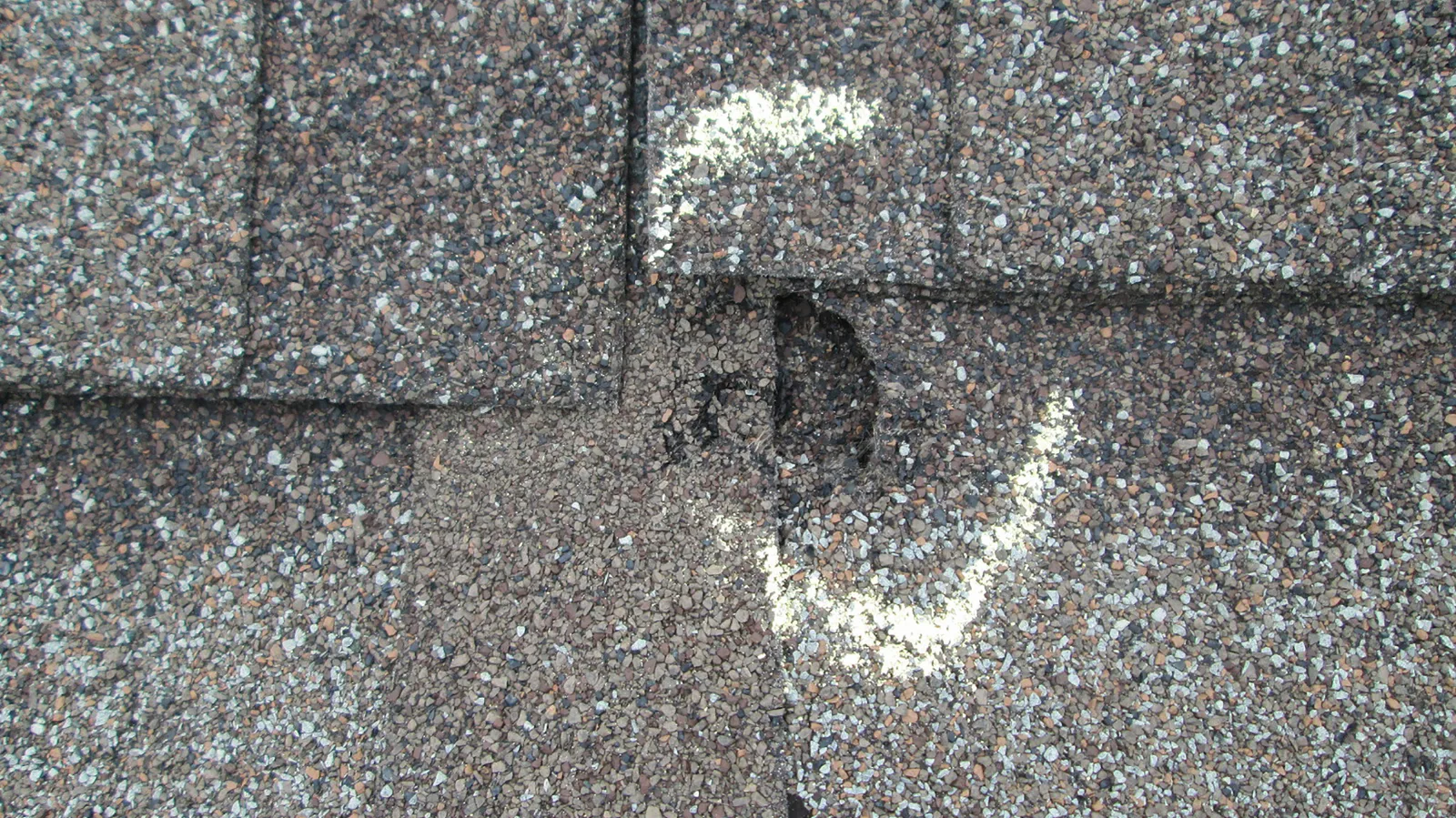
Roof insurance and storm damage
Understand the difference between the roof work and the insurance payment, including depreciation, deductibles and coverage limits.
Separate the roof work from the policy payment
A damaged roof creates two related questions: what work restores it, and what the policy pays. An inspection helps establish the first. The insurer and the actual policy decide the second.
Coverage can differ for the roof even when the rest of the house has replacement-cost coverage. The definitions below explain why a payment can be smaller than the roofing price without assuming that a claim has been approved.
Actual cash value and replacement cost
General explanation based on the Missouri Department of Insurance roof coverage guide. The actual policy controls.
Deductibles and payment timing
The deductible is the part of a covered claim assigned to the policyholder. Some policies use a flat amount; others use a percentage deductible for specified losses. That percentage can apply to an insured value, not simply to the repair bill.
A first claim payment may account for depreciation and the deductible. Where recoverable depreciation applies, completion and documentation requirements affect a later payment. It is therefore possible for the roofing scope, initial payment and final covered amount to be different figures.
Missouri’s homeowners insurance FAQ explains payment timing and the distinction between covered damage and ordinary wear. Exact amounts and deadlines belong to the policy and claim.
Roofing findings do not decide coverage
The roofer assesses damage and the work needed to restore the roof. An adjuster evaluates the loss under the policy. A wider roofing recommendation does not automatically mean the insurer owes for the entire roof.
A storm report nearby is also not property-specific proof. The roof condition, reported circumstances and policy all matter. No inspection can promise claim approval or eliminate the deductible.

Keep temporary protection separate from permanent work
An exposed roof may need temporary protection while permanent work is being determined. Temporary covering and the final repair have different purposes and should remain distinguishable in the project record.
Keep clear of unsafe conditions and do not climb onto the roof for claim photographs. If you already have safe photographs or receipts relating to the damage and protection, those can help explain what occurred. This is general information, not claim representation or a coverage decision.

Start with the condition of the roof
You can request a free roof inspection before knowing whether a claim will be involved. Describe the damage or change you have noticed.